

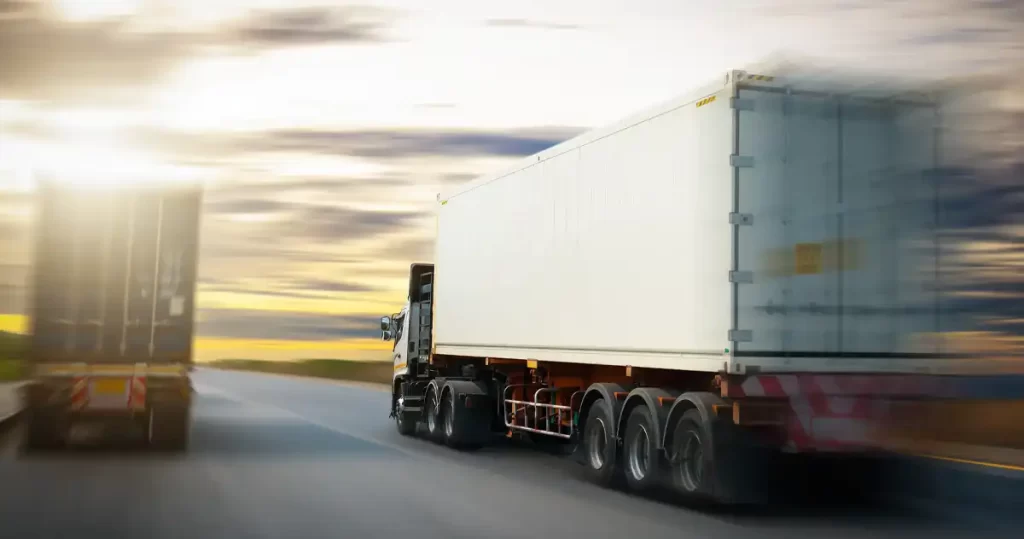
The scenario is terrifyingly common on California highways: you’re driving alongside a massive 18-wheeler, maintaining your lane, when suddenly, the truck begins to merge directly into your path. The sheer size and weight difference mean these encounters often result in devastating consequences for the occupants of the smaller passenger vehicle. If you’ve experienced this harrowing event in Ontario or surrounding areas, one of the first questions that arises amidst the chaos is: who is legally responsible? Determining fault in a commercial truck accident isn’t always straightforward, but understanding the key factors involved is crucial.
The Danger of the “No-Zone”: Understanding Truck Blind Spots
Large commercial trucks, often called semi-trucks or 18-wheelers, have significant blind spots – areas around the vehicle where the driver’s view is obstructed. These “No-Zones” are much larger than those of standard passenger cars. They exist:
- Directly in front: Below the cab.
- Directly behind: Extending significantly backward.
- Along both sides: Particularly problematic is the large blind spot on the right side (passenger side), which can sometimes hide an entire car or even two. The left side also has a blind spot, though typically smaller than the right.
While passenger car drivers should be aware of these No-Zones and avoid lingering in them, the primary responsibility for ensuring a lane is clear before changing lanes rests heavily on the driver making the maneuver – in this case, the truck driver.
Higher Duty of Care for Commercial Truck Drivers
All drivers on California roads have a “duty of care” to operate their vehicles reasonably safely to avoid harming others. However, commercial truck drivers are held to a higher standard of care. This is because:
- They operate vehicles capable of causing immense damage and injury.
- They are professional drivers who undergo specialized training and licensing (Commercial Driver’s License – CDL).
- Federal and state regulations impose specific safety rules on trucking operations.
This higher duty means truck drivers must be exceptionally vigilant. Before changing lanes, they are expected to thoroughly check mirrors, physically look over their shoulder if possible (though often limited by the trailer), use their turn signals well in advance, and ensure the intended lane is completely clear. Claiming “I didn’t see you” is often not a valid legal defense if reasonable care could have prevented the oversight.
Determining Fault Under California Law
California operates under a “pure comparative negligence” system. This means that fault for an accident can be divided among multiple parties based on their percentage of responsibility. Even if you are found partially at fault, you will still be able to recover damages, but your award will be reduced by your percentage of fault.
In a lane-change accident involving an 18-wheeler merging into a car:
- Evidence Favoring Truck Driver Fault:
- Failure to Signal: Did the truck driver signal their intention to change lanes appropriately and in advance (as required by California Vehicle Code § 22107)?
- Improper Lookout: Did the driver adequately check all mirrors and blind spots before initiating the lane change?
- Unsafe Lane Change: Was the lane change made abruptly or without sufficient space?
- Distraction or Fatigue: Was the driver distracted (e.g., cell phone use) or potentially fatigued (violating Hours of Service regulations)? Investigation often delves into driver logs and electronic data.
- Witness Testimony: Did other drivers see the truck merge unsafely?
- Police Report: While not definitive proof of fault in court, the officer’s assessment and narrative can be influential.
- Potential Factors (Less Common in this Scenario):
- Could the passenger car have been speeding excessively, making it difficult for the trucker to judge distance?
- Did the passenger car make an abrupt maneuver that contributed to the situation?
In most cases where a truck changes lanes into a vehicle already occupying that lane, the primary fault lies with the truck driver for failing to ensure the lane was clear.
Why These Accidents Cause Severe Injuries
The physics are simple and brutal. An 80,000-pound loaded semi-truck colliding with a 4,000-pound car creates an overwhelming force imbalance. Injuries sustained by occupants of the passenger vehicle are often severe and can include:
- Whiplash and other neck/back injuries
- Spinal cord damage, potentially leading to paralysis
- Traumatic Brain Injuries (TBIs)
- Broken bones
- Internal injuries
- Wrongful death
The potential for life-altering injuries underscores the importance of holding negligent truck drivers and trucking companies accountable.
What to Do After the Crash (and What NOT to Do)
- Prioritize Safety: If possible, move vehicles out of traffic. If not, turn on your hazard lights. Check for injuries.
- Call 911: Report the accident and request police and medical assistance, even if your injuries seem minor initially. Adrenaline can mask pain.
- Gather Information: Exchange driver’s license, insurance, and contact details with the truck driver. Get the trucking company’s name and USDOT number (usually displayed on the truck). Note any witness names and contact information.
- Document the Scene: Take photos/videos of vehicle damage, positions, skid marks, road conditions, and any visible injuries.
- Seek Medical Attention: Get checked out by a doctor promptly. This creates a medical record linking injuries to the accident.
- Beware of Insurance Companies: You will likely be contacted by the trucking company’s insurance adjuster quickly. It is crucial that you do not give a recorded statement or sign any documents without consulting a car accident lawyer Ontario CA first. Their goal is to minimize their payout, not protect your interests. Politely decline to speak in detail and state that your attorney will be in contact.
How Legal Representation Can Make a Difference
Truck accident cases are significantly more complex than typical car crashes. They often involve large trucking companies, multiple insurance policies, and specific federal/state regulations. Navigating these complex cases requires skill and resources. An experienced Ontario car accident attorney can investigate thoroughly, accessing driver logs, truck maintenance records, electronic data recorder (“black box”) information, and potentially hiring accident reconstruction experts.
If you have been hurt in an accident involving an 18-wheeler or any other vehicle in Ontario or surrounding areas, don’t navigate the aftermath alone. The actions you take now can significantly impact your recovery and your future. Call Karns & Karns Truck Accident Attorneys now for a free consultation at 833-545-1644. Let us help you understand your rights and fight for the compensation you deserve.
